
The GlüStV 2021 created a national licensing framework for online casino gaming but accompanied it with an exceptionally strict advertising code. I embrace this because it enables responsible operators like us stand apart. The treaty forbids broadcast advertising for virtual slots between 6 AM and 9 PM, affiliate partnerschaft casoocasino, a rule we observe meticulously. All our advertising must refrain from any suggestion that gambling fixes financial problems or grants social success. The Gemeinsame Glücksspielbehörde der Länder (GGL) diligently monitors compliance and can levy substantial penalties. My legal team monitors every GGL ruling, and I assess updates weekly to anticipate shifts in interpretation. Section 5 explicitly prohibits targeting minors or vulnerable groups, so we use advanced age‑gating far beyond simple declarations. It also prohibits claims that gambling boosts attractiveness or performance, which removes entire categories of aspirational marketing. We never confuse editorial and commercial content, and every promotion displays our German license number in a legible size, even on tiny mobile screens, because an unreadable disclaimer violates the treaty’s spirit.
Our Key Standards for Responsible Advertising
At Casoo, our core guidelines go further than legal requirements. We demand factual accuracy: we never describe a bonus “free” if it involves any wagering requirement. Instead, we declare “bonus funds subject to 35x wagering,” eliminating ambiguity. Environmental consideration is equally essential. Our media buyers exclude sites dedicated to debt advice, no matter how high click‑through potential. We also reject push notifications and SMS marketing unless a user has explicitly opted in through a double‑verification process created by our compliance team. This momentarily reduces engagement metrics, but I consider serenity far more worthwhile than intrusive outreach. Every campaign is built around the idea that we inform before we influence, a standard that positions player protection at the start of the creative process, not as an afterthought.
Visual and Linguistic Standards
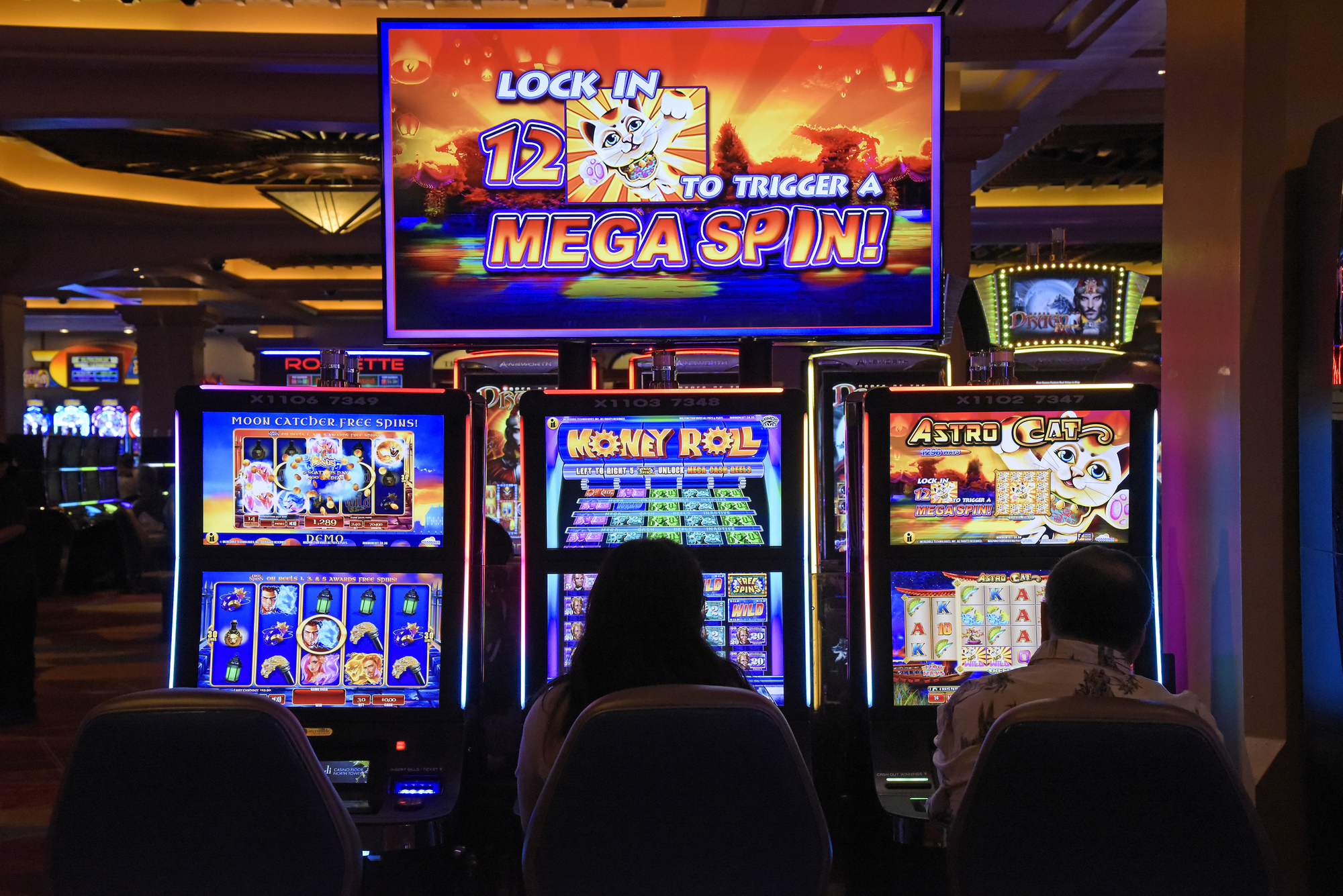
I exercise close oversight over visual and linguistic decisions. Our brand book strictly forbids imagery of cash, watches, or sports cars implying wealth from gambling. Creatives focus on entertainment—game graphics, sound design, and interface quality—not luxury. Superlatives like “best odds” are acceptable only when backed by published, audited RTP data, and they always include a clarifying footnote. All German copy passes through a native‑speaking compliance reviewer, not merely a translator, because subtle differences between “Glück” and “Gewinn” matter. We also screen every static and animated asset for any hidden implication of urgency or exclusivity, using a checklist derived from GGL guidance. This rigorous attention ensures every word and image respects the player’s autonomy and never manufactures false hope.
Color Perception and Compliance
An neglected compliance dimension is colour. Research shows bright reds and rapid flashes can provoke impulsive behaviour, so our German campaigns avoid them. We depend on cooler blues and greens, which studies link to more deliberative decisions. Animated banners undergo frame‑by‑frame review; no single frame mimics a rapid reward or countdown faster than we allow. Even the speed of a promotion timer is capped to prevent panic clicks. This granular control applies to motion design, where we prohibit strobing effects. By removing subconscious triggers, we help ensure a player’s choice to visit our site is a calm, conscious decision, not a reaction to a manufactured psychological nudge.
Supervision, Execution, and Constant Enhancement
High standards mean nothing without enforcement. I supervise a specialized compliance monitoring team that operates separately of marketing to avoid conflicts. They carry out daily audits of all current campaigns—ours and affiliates’—against a checklist taken directly from the GlüStV 2021 and our policies. Twice a year, an external auditing firm performs a thorough review and publishes a formal report, which I deliver to the board. When a breach happens, we log it, evaluate the root cause, and apply corrective measures immediately. If human error is involved, we provide additional training rather than assign blame. This culture of continuous improvement has yielded a steady decline in compliance incidents, a trend I am resolved to sustain.
Managing Complaints and Regulatory Inquiries
In spite of our best efforts, complaints or regulatory inquiries can still emerge. All advertising‑related complaints reach my desk within 24 hours. I personally match the contested ad against our records of approval and determine if a genuine breach occurred. If we are at fault, we express regret, take down or amend the creative immediately, and conduct an internal review to prevent recurrence. If the GGL reaches out to us, we answer with full transparency, supplying all requested documents and a detailed explanation of our process. I have found that regulators react positively to operators who demonstrate genuine self‑regulation and swift remediation. We never assume a defensive stance; we consider every inquiry as a valuable external audit that sharpens our standards and reinforces our commitment to the German market.
Shielding Minors and At-Risk Individuals
Shielding minors is a uncompromising imperative. Our media agency utilizes third‑party tools https://files.kleinezeitung.at/incoming/file/29.-Oktober/view/KLZE_STMK_1029_062_0_2023.pdf to profile the demographics of every website and YouTube channel where our ads could appear, immediately blacklisting any with a substantial under‑18 audience. On social media, we aim for ages 21 and above, incorporating a safety buffer beyond the legal 18. I individually scrutinise influencer partnerships, turning down those whose followers skew too young, even if the influencer is an adult. For programmatic display, pre‑bid filters stop our ads from serving on youth‑oriented sites based on contextual analysis. Beyond minors, we check our internal self‑exclusion register against marketing databases to halt all communications to opted‑out individuals. We also actively halt direct marketing to players exhibiting early warning signs, such as rapid deposit acceleration, putting first player wellbeing over short‑term revenue.
Affiliate Marketing and Third‑Party Adherence
Our affiliate programme is a growth engine, but it represents our greatest compliance risk if left unattended. I consider every partner as a direct representative of our marketing department. Before marketing Casoo, affiliates must undergo a compliance certification course I created, covering the GlüStV 2021, our internal rules, and real case studies of terminated partnerships. A single certification is not adequate: our monitoring team uses automated crawlers and manual audits to review all affiliate content relating to our brand. If we spot a non‑compliant banner, misleading review, or missing responsible‑gambling reference, we issue a takedown notice within hours and halt commissions until the error is rectified. Repeat offenders are permanently removed, regardless of their traffic volume.
Affiliate Vetting and Ongoing Monitoring
The vetting begins at application. I examine an affiliate’s history for unethical practices—like advertising unlicensed operators or using scarcity tactics—and refuse without appeal if I uncover them. Approved affiliates receive access to a library of pre‑approved assets that cannot be altered; any custom material requires our written permission. Our monitoring system checks for unauthorized variations using image recognition and text fingerprinting, and I personally assess monthly deviation reports. Transparency is mandatory: every page must feature a prominent, above‑the‑fold disclosure stating compensation for referrals, using our approved wording that offers no ambiguity. Affiliates may express genuine opinions, but they cannot claim impartiality. This openness cultivates trust with German players who appreciate honesty and helps reinforce our brand’s integrity.
Offer and Promotional Requirements
Bonus advertising is the most reviewed area, and rightfully so. I have implemented a rule that every promotional offer must present a concise summary of key terms—minimum deposit, wagering multiplier, time limit, game weightings—directly in the creative, not just behind a link. We never bury details in fine print or low‑contrast fonts. Our designers have adapted to incorporate the terms elegantly using expandable text and clean typography, so the ad communicates before it persuades. For deposit bonuses, the match percentage and maximum amount appear no smaller than the main headline. Free spin promotions must detail the game and value per spin; a blanket “100 Free Spins” is banned. We instead write “100 Free Spins on Starburst, €0.10 each,” preventing disappointment and aligning with our fairness ethos.
The evolution of advertising norms at Casoo Casino
The supervisory landscape will keep evolve, and the same goes for our advertising. We are looking into AI tools that pre‑evaluate creative assets in light of past GGL rulings and internal decisions, highlighting subtle problems such as implied urgency ahead of a human examines them. I am also pushing for greater industry collaboration, since rogue operators taint the entire sector. Casoo is focused on sharing best practices in working groups where appropriate. My overarching vision is that our advertising to become so transparent, factual, and respectful that it acts as a competitive differentiator. German players who encounter a Casoo advertisement should immediately recognise it for a hallmark of trust. That standard shapes every decision I make, and it will continue to be our unwavering compass as long as we operate in Germany.